I’m way too lenient on these, aren’t I? Horrors of Spider Island (a.k.a. It’s Hot in Paradise a.k.a. Body in the Web a.k.a. A CorpseHangs in the Web) really is a piece of shit and it’s fitting that the only company that gave the movie a VHS/DVD release was Something Weird.
According to IMDB:
“First released in the United States in 1962, as an Adults-Only movie titled It’s Hot in Paradise. Three years later, trimmed of its nude scenes, it was re-released in the U.S. as a horror/sci-fi monster film, Horrors of Spider Island.
So really Horrors of Spider Island is just a nudie-cutie flick no different from Monster at Camp Sunshine or The Beast That Killed Women only with one tiny, little problem. THERE WERE NO FUCKING NUDE SCENES!!! I don’t know why Something Weird released the film without the nude scenes since that seems to be their raison d’etre; to release shitty, boring nudie flicks whose only saving grace is the nudity! But they did and what we’re left with is another snoozer that begins promisingly but soon degenerates into a series of boring sub-plots and drama that nobody cares about and make the movie seem interminable in spite of its relatively short length of 76 minutes.
The movie begins in someone’s office with a bunch of hot dancers auditioning to be part of a dance troupe and go to Singapore (or somewhere like that, I forgot) to dance. Instead their plane crash lands and the ladies and the guy in charge of watching them end up marooned on a tropical island where a giant spider turns people into killer spider people. Only problem is that barely happens at all.
Again it starts off promising when the ladies walk into a cabin and see a dead man in a spider’s web; an obviously freaky site (or at least it’s supposed to be if I didn’t know it was fake and the spider web was just some rope). Then the guy who was in charge of the girls goes wandering, gets bit by a spider and turns into an honestly cool looking spider monster. This looked like it was leading somewhere.
But, unfortunately, when your movie is just an edited down nudie flick, you can only expect the rest of the scenes to be nothing but obnoxious filler and the music to be cabaret/burlesque rather than horror movie music. And so it goes… the rest of the film involves two sailors who stumble on the island and engage the women with their tomfoolery; one of them is suave and charming and goes after one girl after another while the other guy is just like a normal guy looking for a special gal. There’s also a bit of sexy cat fighting and some skinny dipping. But aside from those scenes, the film turned into one of the most uninteresting soap operas until, finally, the spider monster starts killing again, resulting in one other death – and that wasn’t even from the monster, it was from the girl jumping off the cliff trying to escape!
One last point of interest is that, during the scene when the plane takes a dive, the filmmaker or whoever was so lazy and lacking in imagination that he didn’t even try to create the inside of an airplane when showing closeups of the girls screaming. He could have taken a couple of car seats and put them next to a window and at least tried to make it look like the shot was from inside a plane. Instead he just uses two extreme closeups of the ladies with a black, nothing background. Truly amazing.
Pear-shaped girls in leotards running around on a sound stage that’s decorated with fake rocks and with an obviously painted space background and you expect me to not like Cat-Women of the Moon? Apparently someone thought this concept was so good that it was remade shortly after as Missile to the Moon and to some extent as Queen of Outer Space. Clearly the film is the product of someone’s fetishistic mind set because otherwise, how can you explain a plot in which a bunch of sex starved humanoid women want to keep a bunch of men captive on their abode even if the men are middle aged and overweight?
What also saves this schlock-fest from turning into a suck-fest is something that many producers, writers and directors seem to have forgotten in the years following the drive in, quickie science fiction film. You ready? IT’S SHORT!!! When your plot is paper thin and the only things holding it together are some mediocre actors and some neat visuals – both the hot women and the neat set designs – it doesn’t hurt that the movie is only 64 minutes long!
It’s also fitting that I watched Cat-Women of the Moon on what I guess was Star Wars day because it shows where my radar is at. I cannot stand Star Wars and its overly earnest, adventure, science fantasy bullshit but a movie like Cat-Women on the Moon or the other hundred or so science fiction films from the 50s and 60s that I’ve seen will do nicely, thank you!
The movie gets going right away as we see a space crew consisting of four nondescript, middle aged male astronauts and their cute as heck female partner Helen (b movie starlet Marie Windsor) sitting in a neat looking, rocket ship control room, blasting off to the moon for some reason which I forgot. When they get there, they’re confronted with not one but TWO spider puppets that hang from the ceiling on strings! After a bit of wandering around the sound stage, they encounter a temple or palace with an underground civilization of said leotard wearing nymphos and that pretty much covers it.
Oh there’s some romance, some intrigue and even some fighting amongst a couple of the male members of the crew because this was the 50s and men fought over women but otherwise, there really isn’t all that much else to say about Cat-Women of the Moon except some of the main “cat-women” have names like “Alpha” and “Beta” and one of the crew members shoots a couple of them dead with his gun. That’s right, his gun, which he took with him to outer space “just in case.”
More like The Bland and Boring Show if you ask me! The Sci-Fi channel has a rule for their made for TV movies that, regardless of what happens, the monster has to be shown on the screen every eight minutes. While I think this is limiting for the director’s artistic vision, especially if the director wants to build up some sort of suspense, I can see the logic to it. Like, if a rule like that were applied to The Flesh and Blood Show, it might not have been such a snoozer.
Indeed both the salacious poster and trailer claim that the movie will offer up some tasty goodies in the form of naked nubile actresses and lots of gore. Well it certainly has one of those things. But, if director Peter Walker was intending to just make a piece of Eurotrash ertoica, he could have been a bit more up front about it.
Instead, we get so much promise and so little payoff, it’s a wonder why the director bothered with the film in the first place. Did he really just want an excuse to film naked flesh? The very opening scene is two ladies (lesbians?) sleeping in bed, one getting up completely naked (because women with big boobs forget to put on clothes) to check the door and finds a man who has been STABBED IN THE STOMACH… only he wasn’t actually stabbed and was just playing a prank. By the way the woman is still naked during all of this.
Apparently this movie has a plot; something about a group of actors and actresses going to an old theater to rehearse a play called (you guessed it) The Flesh and Blood Show. During the course of their rehearsals, some mad man picks off one actor and/or actress after another. Or rather that is what is supposed to happen. Instead we get long, drawn out dialogue sequences, a lot of people hanging in various locales (dining room of some house, out on the pier where the theater is, etc.) talking to each other about god knows what. Occasionally a new actor/character will be introduced into the story and not add or take anything away. You would think the more characters, the more kills but this movie is supposedly a “thriller” rather than a “slasher” and thrillers are the ones that are supposed to build up the suspense and not just offer up a bunch of violent kills facilitated by stupid characters who make bad decisions (makes jerk off motion with hand).
I gave the movie two iron crosses so there must be a reason other than the hot women who are often disrobed. The first of those reasons is that, in spite nearly nothing happening, the movie takes place in an old grand guignol style theater with some old torture props lying around and thus kinda looks cool and the other reason is that one of the victims gets her head put on a plaque within the first 20 minutes. The only problem is that kind of stuff doesn’t keep happening. Another woman gets stabbed but, by that time, I stopped caring.
Also, I have absolutely no desire to recall any of the actual actors since their acting can be described as serviceable at best. Even the old man charcter is just, ya know, meh. Typically I let others crow about the whole “male gaze” concept but, in this case, I can’t help but think there were some noticeably gratuitous shots of some of these ladies such as this:
and this:
In that second one, she was sleeping like that in the theater. Why? I dunno, maybe they’re hippie free spirits or something. Or maybe Peter Walker wanted to a chance to frame this shot and do as many takes as possible. Anyway, unless you like what I described above, I’d highly suggest skipping this movie.
I thought we’d gotten over this, but there seem to be people in this world who still want to throw Alice Cooper in the same pile of classic rock bands you’re not supposed to listen to if you’re hip. David Bowie, Iggy Pop and Lou Reed are cool. Alice is not. I know Alice didn’t do much to help his reputation when he released albums like Constrictor, Trash and Hey Stoopid, but let’s overlook those things. After all why does Bowie get the pass with Let’s Dance???
Anyhoo, this is supposed to be a movie review and not a bitchy rant about how Alice needs to be reevaluated by cool, arty kids. By the way, why was every early Bowie and Stooges album reissued, while two of rock’s masterpieces, Love It to Death and Killer, only have used vinyl and cheap, early Warner Bros. CDs to represent them? And for that matter, why all the MC5 worship? What did they do except preach a bunch of Maoist nonsense, get arrested a few times and release loud, but otherwise straight-forward, bluesy rock records? Yeah, REAL revolutionary!
Okay, okay, rant is over. I was being somewhat facetious and hyperbolic, and I love all of above mentioned artists. I’m just bitter at the way some other blogs have talked about Alice Cooper as if he/they is/are just showy with little in the way of memorable songs outside of a few classic hits. Let’s talk about the movie Super Duper Alice Cooper, which I dropped seven dollars to watch last night.
Honestly, as a hardcore fan, if the movie was three or four hours long, I’d probably have been more satisfied with it. Filmmakers Sam Dunn, Reginald Harkema and Scott McFadyen do a serviceable job stuffing Alice Cooper’s 40 year career into 95 minutes… that is if you’re a merely casual fan or just have some passing interest. However I can’t help but notice one, obvious, glaring, FUCKING OMISSION!!! Where in all of this was MICHAEL BRUCE – ya know the guy who wrote or co-wrote “I’m Eighteen”, “Ballad of Dwight Fry”, “Under My Wheels”, “Billion Dollar Babies” and “No More Mr. Nice Guy” and played guitar AND keyboard on all of the band’s early recordings?! He wasn’t mentioned once, yet you clearly see a fifth guy in all the early band photos! That’s like doing a documentary on Iggy Pop and omitting Ron Asheton or talking about Ozzy Osbourne and forgetting to mention that band he was in for ten years.
But yes, the 95 minute film tells the Alice Cooper story from his childhood growing up in Detroit and his various illnesses, through his teen years in Phoenix, AZ, where he met best friend and bassist Dennis Dunaway and started the band that would be Alice Cooper along with local juvenile delinquent kid and lead guitarist Glen Buxton; their various names were Earwigs, Spiders and Nazz and the phases they went through were 60s garage, psychedelia and hard rock before becoming a household name. After that band collapsed, Alice started a solo career, dealt with alcoholism, got married and later found God (which is implied, but not explicitly said) and redemption. They don’t really talk about the earliest members of the group or how drummer Neal Smith joined either but I suppose only the hardcore fans give two shits about original rhythm guitarist John Tatum, who was replaced by Michael Bruce and original drummer John Spear, who was replaced by Neal Smith or their two singles as the Spiders and one single as the Nazz.
I’ll give the filmmakers their due; they make every attempt to keep the film interesting and move things at a very quick clip. They use this new, 3-D still shot technique to give photographs a “living” quality. It does help put you in the time frame since, I’m assuming, 60s performances of the Spiders or the Nazz don’t exist. Alice’s story is also juxtaposed with shots from the 1920 adaptation of Dr. Jekyll and Mr. Hyde to further illustrate his onstage/offstage personality and how the former began to take over the latter. Newbies might be surprised to learn about Frank Zappa’s direct involvement with the group’s early history; from his discovering the group in L.A. and claiming that their flashy, trashy appearance made them the male equivalent of the GTOs to his signing them to his Straight label in 1968 just because they were so darn weird. Also, what the fuuuu… Alice did coke and free based??!! I thought he was just a drinker!!! Arrghghhg, my mind is blown!!!
Furthermore the early live footage is just amazing. There’s copious amounts of early club and festival footage when the group used weird props to entertain confused crowds of stoned out hippies and I just couldn’t believe it when Alice got creamed in the face!
Hell, you won’t believe it either! It happens at 9:18.
While the main narrator of the film is Alice Cooper, former members Dennis Dunaway and Neal Smith, producer Bob Ezrin and manager Shep Gordon also help tell the story. Furthermore we get very brief commentary from Elton John, Iggy Pop, John Lydon and Dee Snyder as well. For some reason the film doesn’t use any talking heads, which is fine as far as I’m concerned.
The film glosses over a lot and omits some interesting tidbits because, as I said, to tell it all, you’d need three or four hours and I don’t know how interested the casual fan or curiosity seeker would be in Alice talking about his work on the Spanish horror film MonsterDog. I almost wish this documentary was never made and that Alice did what Iron Maiden did; release for fans only DVD documentaries that cover specific eras of his/their career in thorough detail. I personally would love a documentary or book strictly on the original band and then another one about his early 80s, new wavey period. But that’s me.
Here are some fun facts that were omitted that even non-fans might find interesting:
1. Alice Cooper opened for the Doors in 1968 and managed to empty out the entire venue except for Frank Zappa, Shep Gordon and a couple GTOs
2. The reason the group had to change its name from the Nazz to Alice Cooper was because Todd Rundgren had a band called the Nazz at the time.
3. By the way, the group got the name the Nazz from the Yardbirds song “The Nazz Are Blue.”
4. Groucho Marx attended an early Alice Cooper gig and called it good vaudeville.
5. Frank Zappa initially wanted Alice Cooper to change their name to Alice Cookies in order to further fit his stable of “weird” bands at Straight records (Alice Cookies and His Magic Band???). Thank goodness they didn’t go for it!
6. Alice Cooper had the number one record in the States with Billion Dollar Babies yet had gigs cancelled and were banned in certain parts of the Bible Belt.
7. Donovan is the other voice on “Billion Dollar Babies.”
8. Liza Minelli and the Pointer Sisters sing on “Teenage Lament ’74” from the Muscle of Love album.
9. Alice appeared on Hollywood Squares in 1974.
10. Alice appeared on the Muppet Show in 1977.
11. Alice performed the Beatles song “Because” in the movie Sgt. Pepper’s Lonely Heart’s Club Band from 1978.
12. Alice sings on and appears in the video for the Twisted Sister song “Be Chrool to Your Scuel.”
I admit I’ve been on a Satan kick lately. No I don’t worship the devil nor have I read the Satanic Bible or think of Anton LaVey as anything more than a huckster. I just think the devil or Satan or Lucifer or Beelzebub is a cool looking, evil scary guy with horns and a tail but damn was the movie going public obsessed with him from the late 60s right through most of the 70s! Hell I can’t get enough of him! It’s kind of surprising how many films were made about the devil during this period. I just downloaded Eye of the Devil, Race withthe Devil and The Devils today! So here we go with reviews of three different movies, which, if nothing else, could serve as a way to compare and contrast the different ways ol’ Lucifer has been handled on screen.
The Devil Rides Out (1968)
Our first picture is, in my humble opinion, the weakest of the three devil pictures up for review. How is it possible to rate The DevilRides Out, a Hammer film, as anything but a piece of classic horror? Believe me I REALLY wanted to like this movie. The poster is enough to make you drool for the devil, right? And that image IS in the movie so what’s the problem?
Terence Fisher directs it just fine and Christopher Lee is great as always but the main problem is that The Devil Rides Out is handled with the same classic, gothic and melodramatic approach used on classic Dracula and Frankenstein movies and contains a standard “good vs. evil” plot even though the film takes place in the present. That renders the characters pretty dull as there’s no nuance to any of them.
You just have the good guys, Nicholas (Christopher Lee) and Rex (Leone Greene), visiting their old buddy Simon (Patrick Mower) and soon discovering that their old chum has joined a coven and practices black magic. The rest of the film involves the leader of the coven, Mocata (Charles Grey) attempting to hypnotize the rest of the cast in order to collect souls to sacrifice to the devil.
I’m not saying I hated the movie; it was perfectly fine. The Satanic concepts are hilariously literal; we see the actual horned devil (who looks cool as heck, mind you), the angel of death and some other demon type thing all summoned in the flesh and, in order to destroy these creatures, Nicholas or Rex literally throw crucifixes at them.
The film was given a G rating so, in spite being about the devil, the good guys triumph in the end and there is pretty much no gore in the entire movie. With that said I still thought the Satanic coven sequence was pretty darn cool.
To the Devil a Daughter (1976)
Next up we have To the Devil a Daughter, which I absolutely loved! To the Devil a Daughter was made right at the end of Hammer’s existence. I believe they might have made one or two other films after this before closing up shop. But, if they had continued to make freak fests like this, who knows how far they could have gone into the next couple decades? Unlike The Devil Rides Out, To the Devil aDaughter takes things in a completely odd and twisted direction. Those of you who are more astute than me might have been able to pick out the twist early on and I had my inclinations but that didn’t stop me from going along for the ride!
Let me start from the beginning. In the prologue we see Father Michael (Christopher Lee) being excommunicated from the Catholic Church. This immediately piqued my interest because I wasn’t sure if Christopher Lee was going to be the good guy or the bad guy. And BOY did I find out! Fast forward 20 years and Father Michael is now the head of a congregation and we see him being chummy with the nuns in a local convent among whom include a young nun named Catherine (Nastassja Kinski).
After that we’re introduced to an occult novelist named John Verney (played wonderfully by Richard Widmark), who makes money from arguably bogus, sensationalistic devil books and is signing said books in some modern art gallery in London. Verney meets a neurotic, nut job named Henry Beddows (again played wonderfully by Denholm Elliot), who convinces Verney to meet his daughter Catherine at the airport and take her in his care, which he inexplicably does because apparently Beddows is being chased by cult members for going back on a deal with the devil.
And from there the mystery begins to unfold as we learn some disturbing facts about the convent that Father Michael was the head of, the nunnery in which Catherine was raised and the twisted plans they have for Catherine.
Unlike the G rated, family friendly The Devil Rides Out, To the Devil a Daughter goes right down to the gore (albeit briefly) with the murders of a couple tertiary characters and a full on Satanic ritual orgy sequence. Furthermore, if you didn’t already guess, it has a killer cast! I already mentioned it but Richard Widmark does such a good job remaining reasonably skeptical even when witnessing the power of the devil, Denholm Elliot turns into a complete, paranoid wreck and Nastassja Kinski plays the naive, innocent role very well. Christopher Lee is Christopher Lee, hamming it up as if he’s still in a classic era Hammer picture rather than one set in 1976 but the old timiness works within the context of the film.
The Devil Within Her (1975)
Lastly we have The Devil Within Her (a.k.a. Sharon’s Baby and I Don’t Want to Be Born; wonder if that’s where Venom got the line from “Leave Me in Hell”) which shouldn’t be confused for another film called The Devil Within Her (a.k.a. Beyond the Door). The latter is an Italian production that came out in 1974, was directed by Ovidio G. Assonitis and is about a woman who gives birth to the devil’s baby. The one I’m reviewing is a British production that came out in 1975, was directed by Peter Sasdy and is about a woman who gives birth to the devil’s baby.
Though not a Hammer production, The Devil Within Her features Hammer people both in director Peter Sasdy and actresses Joan Collins and Caroline Munroe. So, if The Devil Rides Out was underwhelming and To the Devil a Daughter was awesomely awesome, I’d say The Devil Within Her is just plain silly. Most people would consider it the worst of these three films but I’m not most people and I got a major kick out of it even if it was for the wrong reasons.
Also a lot of people compare it to Rosemary’s Baby and that’s just plane foolish and wrong. The movie begins with the birth of the devil’s baby. And no, it’s not a spoiler. We know from the beginning that this little tyke is one mean, nasty son of a bitch (or rather the son of a cheating, lying whore as the plot will reveal!). From the moment the mother and father try to coddle their baby, junior bites, scratches, punches and kills anyone who tries to get close.
His weakness? Ugghhhh… crucifixes and Catholic prayer. The main character is a former burlesque dancer named Lucy (Joan Collins) (so where the hell does Sharon’sBaby come from???) and her husband is the suave, sexy Italian Gino (Ralph Bates), who apparently wasn’t suave and sexy enough since it’s revealed that Lucy had an affair with the burlesque theater manager Tommy Morris (John Steiner) and thinks the baby might be his.
Then there’s the midget Hercules (George Claydon), a creepy little bastard who made moves on Lucy and is vaguely implicated in having something to do with the baby being the devil’s kid. Little of it makes sense so it’s best to turn your mind off and giggle as we see a little baby punch a man in the face and the man react angrily rather than startled or watch the same little baby decapitate someone with a shovel.
I could mention something about Caroline Munroe but it seems as though she was only put in the movie to look cute and chew the scenery. And that about covers of it. This is my 100th blog post. Hail Satan!
Before we get to the review, here’s a picture of me holding two DVDs I purchased at Thomas Video in Clawson, MI (metro Detroit). The store is sadly closing, signaling the end of the longest running video store ever.
Yep, that’s me, Edwin Oslan, the Savage Hippie guy, who writes this crappy blog! Now for the review!
I’m assuming that, when people see a movie called Cannibal Apocalypse, they think of Italian cannibal classics like Cannibal Holocaust or Cannibal Ferox (a.k.a. Make Them Die Slowly), but Cannibal Apocalypse (a.k.a. Invasion of the Flesh Hunters) is not a cannibal adventure flick, that’s set in some primitive jungle, where members of an exploring expedition get brutally tortured and killed after brutally torturing and killing members of a primitive cannibal tribe. On the contrary, the film takes place in a modern, urban environment, and the “cannibals” are actually infected humans.
One of the cast members is Giovanni Lombardo Radice, the explorer in Cannibal Ferox who gets his wang chopped off, but that’s the only real connection. Well, that and the fact that the film was directed by an Italian and has a very stylish, European look to it, along with copious amounts of gore.
So yeah, Cannibal Apocalypse was directed by Antonio Margheriti (who, for some reason went his whole career credited as Anthony M. Dawson) and stars John Saxon in what might be the actor’s strangest roll.
The movie begins in the jungles of ‘Nam (actually a particularly tree covered Atlanta, Georgia hillside), where army dude Norman Hopper (Saxon) attempts to rescue two of his fellow officers from being held captive, only to have one of them, Charles Bukowski (yes, the character is named Charles Bukowski) (Radice), bite his hand. Right after, Hopper wakes up next to his lovely wife in a comfortable bed, and it’s revealed that the opening sequence was both a dream and a flashback. It’s also revealed early on that Hopper might have the disease as well, culminating in a particularly creepy scene involving Hopper and the cute, teenage girl living next door, in which Hopper feels the urge to bite the young gal, which she, in turn, enjoys because she’s a freak like that.
Meanwhile, both Bukowski and the other captive officer, Tom Thompson (Tony King), are being held at a mental institution. For some reason, Bukowski is deemed sane and, within seconds of leaving the institution, goes on a mad biting spree, gets involved in a fight with some bikers, and ends up in a shootout with cops. He eventually frees his partner so they can both go on mad biting sprees and spread the disease. At some point, it’s hard to tell whose side the movie is on. Ultimately, biting people and spreading rabies is bad, but at the same time, since the hunters become the hunted, it seems as though the movie pulls a switcheroo on you, and now wants you to sympathize with those who you were once against!
I don’t want to spoil the rest of the film for you; so just know that there are some neat chase sequences, lots of stalking, lots of biting, a couple of unexpected twists, and copious amounts of Fulci-level gore. I highly recommend Cannibal Apocalypse!
If you got Cannibal Apocalypse on DVD, I also suggest watching the bonus interview with the director and cast members for some fascinating insight. Both director Margheriti and Radice laugh at the preposterous nature of the plot, while John Saxon read the thing as a metaphor for how the horrors of war never leave a person. Furthermore, during his interview, Saxon discusses how he was surprised at the level of gore and violence in the Italian horror films, which he’d never seen before; it’s actually quite amusing hearing his near child-like astonishment (“this stuff is so much more realistic and primitive compared to these new films, wow!”). I completely agree, John!
Geza X is an L.A. based producer and musician whose credits include some of the biggest names in punk – look ’em up, there are a ton! – and whose musician credits include playing guitar with the Bags (where he wore a bag over his head), the Deadbeats (of “Kill the Hippies” fame) and Silver Chalice. However, as much of a music lover as he was, he only made one album of his own music with his band the Mommymen. It’s really good. I shall tell you about it now.
On You Goddam Kids!, Geza and his Mommymen – Bobby Paine (bass), Don Bonebreak (Marimba), Pat Delaney (saxophone), Paul Roessler (keyboards) and Brandon Mullen (drums) – have assembled a diverse yet cohesive collection of Devo and Oingo Boingo style quirkiness combined with Zappa-esque elements like use of xylophone and sax while throwing in a couple of novelty songs as well. Oh wait, Oingo Boingo uses saxophones. Well, scratch that then.
Gexa X sings in a weird, high-pitch, nerdy, nasally voice with the occasional vocal effects and yes, he does at times sounds like Mark Mothersbaugh. His guitar has a very trebly yet processed tone; sort of like a cross between Geordie’s guitar on the second through fourth Killing Joke albums (What’s THIS For?, Revelations and Fire Dances) with Bob 1’s guitar sound on Duty Now for the Future. Some people refer to it as the X tone and you can hear it on his work with the Deadbeats and Silver Chalice.
Lovers of weird science fiction noises and catchy, up-tempo songs will enjoy “We Need More Power” and “Isotope Soap.” People into Danny Elfman/Tim Burton dark carnival weirdness will like “Pony Ride II”, “Rio Grande Hotel”, “The Paranoids Are Coming” and “Practicing Mice.” If you want novelty funk with annoying, high-pitch “meow”s, you’ve got “Funky Monsters.” If you want novelty ethnic music making fun of X’s very own ethnic background, you’ve got “Hungarian” (apparently, they have an IQ of 6!). If you’re looking for creepy as all hell, demo-era Devo style, robotic music you’ve got “Mean Mr. Mommy Man.” If you want poppy, new wave, you’ve got CD bonus track, “Rx Rock & Roll.” And, if you want a xylophone filled rock song that trashes the audience that listens to his records, you’ve got “I Hate Punks.”
The songs on You Goddam Kids! are catchy, colorful, full of sound and generally upbeat, a rare trait among bands in the punk scene circa 1981. The lyrics are Devo-esque but not nearly as cynical. You’ll hear oddball science fiction ideas, phony conspiracy theories, silly nonsense that some might describe as “dada-esque” and even some social commentary – sample lyric: “civilization is in pretty deep/we all want to win but the price is too steep..”
special introductory paragraph (I’m) Stranded Eternally Yours Prehistoric Sounds
The Monkey Puzzle
I Thought This Was Love, But This Ain’t Casablanca
A Little Madness to Be Free
Live in a Mud Hut… Somewhere in Europe
All Fools Day
Prodigal Son
The Most Primitive Band in the World
Howling
Everybody Knows the Monkey
Spit the Blues Out
Nothing Is Straight in My House
Imperious Delirium
King of the Sun
Note: initially I was only going to talk about the original three Saints albums but then I decided what the hey? So, don’t get mad when you don’t see reviews for some of the albums. I’m working on it!
The Saints (originally Kid Galahad and the Eternals) formed in Brisbane, Australia in 1973 and toiled around their local club scene for a few years, getting nowhere. Then, some time in 1976, their self-released single, “(I’m) Stranded” (b/w “No Time”), was discovered by someone from EMI out in London and the group was shipped over and recorded and released their classic debut album (before the first Damned album no less!). They enjoyed a bit of success and adulation from the spikey haired set, then lost their original bassist, released a second album and watched their fame dwindle away as the audience that loved their first album so much simply could not tolerate horns and acoustic guitars.
Then the band released one more album that was deliberately calculated to appeal to nobody, got dropped and broke up. Okay, not totally. In a short time, chubby, tweed coat wearing singer Chris Bailey rounded up a new group of musicians and the Saints were rolling again even if he was the only original member. Meanwhile guitarist Ed Kuepper and drummer Ivor Hay went back to Brisbane, where Kuepper formed his jazzy post punk band Laughing Clowns before embarking on a solo career and bassist Algy Ward joined the Damned before starting his metal band Tank.
Did I miss anything? Oh yeah; their original bassist was a long haired, tie wearing, Cheap Trick looking guy named Kym Bradshaw.
Most people consider their first three albums to be the classics but Bailey’s later version did have a brief time in the spotlight with the R.E.M., college rock sounding “Just Like Fire Would” from their 1987 album All Fool’s Day and they do carry on in some fashion so maybe I’ll talk about those later albums in a future installment.
(I’m) Stranded – EMI – 1977
Way back abouts 2007, in my wasted, post-college haze, we would drive around Grand Rapids playing (I’m) Stranded by the Saints and Back in the USA by the MC5 on repeat on my car stereo. Both of these albums have one thing in common; they both contain a ballad which slows up the record’s pace at the fourth track. What is a pensive, Neil Young influenced, country rock ballad doing on an ass tearing punk album? Naturally I would skip to the next track, “Erotic Neurotic” (and similarly skip past “Let Me Try” to get to “Looking at You).
Every self respecting punk fan should already be familiar with the up beat, toe tapping opening track “(I’m) Stranded.” If you’re not stop reading this review and jump on youtube right now and check it out. It even comes with a music video!
(I’m) Stranded is another one of the punk rock greats from the class of ’77; containing 10 killer cuts, two of which are covers. “Wild About You” is credited to “unknown” but is actually by 1960s, Aussie garage band the Missing Links. The other is a raucous take on Elvis’ “Kissin’ Cousins”, with a particularly incestuous vibe. I also want to stress that I like the above mentioned, Neil Young-esque ballad “Messin’ with the Kid.” It is a very good song but it’s true that, while driving around, I would skip past the track every time in lieu of the fast song that follows it.
The group’s sound can be defined by guitarist Ed Keupper who has a red, reverbed tone that could take the paint off walls and a playing style that can easily be described as Johnny Ramone meets James Williamson; meaning that he furiously down strums bar chords like Johnny but embellishes the riffs with melodic accents and screeching, Raw Power style leads that send the needle right into the red.
Chris Bailey has a nasally, punky slur in which words like “stranded on my own” becomes “strayandad awn mah awwwn” that sometimes makes it difficult to understand opting attitude and cocky swagger over enunciation.
Then you have Ivor Hay’s snare heavy drumming which makes the tracks seem faster and more aggressive than many of their contemporaries; just compare the Saints with the Ramones, Clash or Pistols and you’ll see what I mean. Where most drummers go “boom-tat-boom-boom-tat”, Hay is more like “boom-boom-tat-tat-boom-boom-tat-tat”, in a manner similar to but considerably harder than Rat Scabies and without the cymbals. Just listen to his relentless pounding during six minute album closer “Nights in Venice.” That combined with Kuepper’s intense guitar work make you feel like your stereo is going to explode!
As for individual songs, you’ve got five speedy punk tunes among which include the “Wild About You” cover, which has this awesome false start that “dies” with a descending riff before coming back at full speed and “Demolition Girl”, which has a Dead Boys feel to it. Along with that there’s “No Time”, which could pass for a punkier AC/DC, “Story of Love”, a bitter ballad with some melodic guitar playing that’s closer to Neil Young than Stooges and “Nights in Venice”, which borders on thrash with its “chugga-chugga” guitar riff.
Lyrically it’s mostly just “I want you, baby” type stuff with the occasional bit of negativity heaped at jerks who you can’t trust or stupid broads. I’m confused about “(I’m) Stranded” though. Is it meant to be taken literally or figuratively? In one line he says, “I’m stranded on my own/stranded far from home” so that’s literal. But, in another line, he says, “I’m lost, baby, I’ve got no direction”, which could mean he’s stranded by the indecision in his life.
Oh! And the bonus cuts include awesome covers of “Lipstick on Your Collar” by Connie Francis and “River Deep – Mount High” by Ike and Tina Turner!
Eternally Yours – EMI – 1978
The Saints are back and they’re darker, angrier and more bitter!!! Eternally Yours has kicked most of the good time, “I wanna be your lover, baby/I wanna be your man” nonsense to the curb in order to complain about stuff that sucks. Considering they’re singing seemingly “punkier” subject matter, it’s sort of ironic, then, that the punks wrote them off JUST because two of the thirteen songs have a horn section and three have acoustic guitars, innit?
Or maybe they didn’t appreciate being called trendy posers in lyrics such as these:
You say you got all the answers
You heard ’em all on the telephone
Now you’re tellin’ everybody
Ya been sniffin’ glue up in the business zone, C’mon
We got new thoughts, new ideas, it’s all so groovy
It’s just a shame that we all seen the same old movies
Now you think you got the first in fashion
New uniforms, we all look the same
A new vogue for the new generation
A new profit in the same old game, C’mon
But, man, check out some of these lyrics! Almost every song is a complaint about something!
“Cheap advertising
you’re lyin’
It’s never gonna give me what I want”
“Ain’t nobody tells me what to do now
I heard all the lies and been promised the world
But no businessman is gonna use and confuse me
‘Cos I ain’t no puppet for no capital gain”
“Aren’t you a mess
You shouldn’t act like this”
“I’ve taken all I can
I’m not gonna stand here
And be walked on no more”
“I said twenty one years is a long long time
to be in this prison when there ain’t no crime
So come on jailer won’t you bring that key
I said I wanna break that door, don’t you hear me”
“Don’t talk to me ’bout what you’ve done
ain’t nuthin’ changed, it all goes on”
“You’re just like in the magazines
front cover stuff, you’re the cream
Posted in such a careful way”
“You’re the latest in high fashion magazine
Always hanging’ round tryin’ to cause a scene
And oh so perfect in every little thing you do, Ain’t it true”
“I stand alone now
I don’t run
I don’t care nothin’ ’bout your seventh son
I been misunderstood for too long”
Those are ALL from different songs! See what I mean though? It’s all about being ripped off by the man, heartless women or attention grabbin’ whores. The only songs I didn’t mention already are “Orstralia”, “Untitled” and “Do the Robot.” While “Orstralia” is an ironic put-down of the group’s native country and “Do the Robot” is just about good time fun, “Untitled” actually, strangely appears to be a love song!
I know what you’re thinking… I DON’T CARE ABOUT FUCKIN’ LYRICS!!! WHAT DOES THE GODDAMN RECORD SOUND LIKE?!
Well, of course it’s good. It’s the Saints!
Chris Bailey is still Chris Bailey, slurring his words with the same cocky attitude (which is probably why I had to pull many of the lyrics from the sheet) and Ed Kuepper still owns on his guitar. As far as his tone goes, it’s not as harsh and paint pealing but it’s still got a nice level of gritty distortion and it’s clear he’s not content with just furious down strumming with shrieking solos. “Lost and Found”, “Private Affair”, “Run Down” (with harmonica!) and “Do the Robot” could easily fit among the songs on (I’m) Stranded with their Ramones meets Stooges approach. However Kuepper is definitely playing more melodic stuff, incorporating Stones and other 60s garage influences on more mid-tempo numbers like “Know Your Product”, “No, Your Product” and “This Perfect Day” (later covered by the Fall!!!), “wipe-out”, surf guitar on “Orstralia” and “(I’m) Misunderstood and of course strummy, acoustic guitar in “Memories Are Made of This”, “A Minor Aversion” and “Untitled.”
Algy Ward from the Damned and Tank plays bass! Hey Algy!
Prehistoric Sounds – EMI – 1978
Cashing in their chips with their third and final album, Ed Kuepper said, “fuck it, I’ma do what I want!” Not only was Prehistoric Sounds a “fuck you” to the punk crowd, who callously wrote them off because of a couple horns and acoustic guitars, but also as one to the record company, who were expecting more of the same. The result is, of course, fantastic. Prehistoric Sounds is clearly Ed Kuepper’s baby, whose horn dominated, soul influenced approach would predict the music he’d make with his next band, Laughing Clowns.
I’m warning you though; there’s NO punk on Prehistoric Sounds. There is some energetic rock in the form of “Every Day’s a Holiday, Every Night’s a Party”, “Brisbane (Security)” and “Everything’s Fine.” The last one even has a boogie piano! I suppose you can throw in “The Prisoner”, a hypnotic, bass-driven, Gang of Four-style, post-punk rocker but that’s about it.
Basically, it’s like this: where (I’m) Stranded is, for the most part, a raucous, up-tempo, punk rock ‘n’ roll-a-thon to throw on at parties and bop around to and Eternally Yours is a darker, angrier and slightly more melodic version of the same, Prehistoric Sounds exudes a bleak, “the party’s over”, “there’s gotta be more to life than this empty, debauched lifestyle I lead” vibe. The only songs that break up the album’s pissy mood are the good time rockabilly of “Crazy Googenheimer Blues” (at least it SOUNDS happy even though it’s about a guy whose gal left him for being a lyin’, cheatin’ drunk), the ridiculously happy, poppy, “La Bamba” style love song “Take This Heart of Mine” (written entirely by Chris Bailey, no less!) and a pair of up beat soul covers.
But if it’s hooks and melodies and good songwriting you’re looking for, then Prehistoric Sounds has it! The tone is set with the first unhappy note of “Swing for the Crime” and its horn section/acoustic guitar rocking to a Bo Diddly beat (unhappily that is) and some pretty strange lyrics. After that the album gives you a drunken gate, slow number which has some really depressing lyrics (“All Times Through Paradise”), a couple of unhappy acoustic/electric rock tunes (“Church of Indifference” and “This Time”), a couple of sarcastically upbeat songs with lotsa booming horns, the aforementioned detours into rockabilly, post-punk, happy pop and the soul covers (Otis Redding’s “Security” and Aretha Franklin’s “Save Me”). And though I like the song “The Chameleon”, it seems as though they made the same point several times earlier on the record. Also, with Bailey singing sadder material, his slurred style oftentimes sounds less cocky and more whiney.
Like I said it’s a great, unique, creative and diverse album. It also signaled the end.
My brother got me Please Kill Me for my 16th birthday back in the grand ol’ year of (Death Race) 2000 and, as a result, I got into the underworld of 70s punk rock. When all the other kids were listening to their Blink 182 and Sum 41 or what have you, I was rockin’ and rollin’ to the New York Dolls, Stooges, MC5, Dictators, Ramones, Richard Hell and the Voidoids, Johnny Thunders and the Heartbreakers and, of course, this here pictured band of merry pranksters called the Dead Boys.
Delightfully trashy, sleazy and juvenile, the Dead Boys – singer Steven “Stiv” Bators, lead guitarist Eugene “Cheetah Chrome” O’Connor, rhythm guitarist William “Jimmy Zero” Wilden, bassist Jeff “Magnum” Halmagy and drummer Johnny “Blitz” Madansky – hail from Youngstown, Ohio where Cheetah Chrome, Johnny Blitz and Stiv Bators were in the short lived proto-punk/art rock band Rocket From The Tombs with future Pere Ubu members David Thomas and Peter Laughner.
The Dead Boys made two albums for punk’s major label industry leader Sire under the hope that they would knock Foreigner off the radio. It didn’t happen, the band was dropped and broke up, occasionally reuniting during the 80s, while Bators went onto a power pop solo career before joining Lords of the New Church. In 1990 he died while in Paris after getting hit by a car and not going to the hospital. As for the rest of the members, well, eh… Cheetah did release a solo single and jam with both Nico and a pre-poopy GG Allin and way later reformed Rocket along with a new band called the Batutsis with Sylvain Sylvain.
Also, Stiv Bators was really short and scrawny and liked to entertain the audience in a manner similar to Iggy with antics like hanging himself from the pipes above, rolling all over the stage, crawling between other members’ legs, jumping into the crowd and acting like his neck and head are a penis that spits loogies.
One last thing: a lot of record labels seem to think you can’t have too much of a good thing so they released a lot of posthumous Dead Boys live product. I don’t have all of the live albums so I apologize if the discography seems incomplete. As I purchase or download more, I’ll add and review them.
Eve of the Dead Boys EP (by Frankenstein) – Hell Yeah – 1996
Before the Dead Boys called themselves the Dead Boys, they called themselves Frankenstein. Interestingly the name didn’t come directly from the source but from David Carradine’s character in the hilariously violent, 1975 Roger Corman produced exploitation film Death Race 2000.
Before they were a punk band or rather, before there was a thing widely known as “punk rock”, the members of Frankenstein wore their hair super long, smeared makeup all over their faces and decked themselves out in creative of ways – for instance, Stiv Bators wrapped himself up in electrical tape – with obvious stylistic nods to Alice Cooper, the New York Dolls and Iggy (especially Cheetah Chrome’s dog collar).
The group only performed a handful of times. One of those includes their 1975 Halloween show where they had a guy roam the stage in a Frankenstein monster costume while the band played a mixture of originals and covers, among which included “Deuce” by Kiss, “Death May Be Your Santa Clause” by Mott the Hoople and “Don’t Mind Rockin’ Tonight” by Ducks Deluxe.
But, more importantly than a few covers is their originals. This here three track EP proves that with the punk tag or not, they had their sound intact. All three tracks on Eve of the Dead Boys would end up on the first Dead Boys album. Although a tad slower than the album version, “Sonic Reducer” sounds as it would on album, which makes it even more of a trip to picture them performing the four chord punk tune decked out in their outrageous, pre-punk stage attire. Stiv Bators doesn’t sound as biting as on the album but that might have to do with his voice being buried by lousy demo production. Chrome’s and Zero’s guitars are ferocious and slashing as they would be on the album.
The other two songs are the apocalyptic, coke paranoia ballad “High Tension Wire” and the high speed, “chuga-chuga” punker “Down in Flames.” “High Tension Wire” has a slightly different arrangement with the dark, sick bridge riff played twice but “Down in Flames” sounds just like the album version complete with Bators’ white trashy shouts of “DEAD BOY! DEAD BOY RUNNIN’ SCARED!”
Young, Loud and Snotty – Sire – 1977
Play loud and play often.
Any punk fan worth his/her/its salt is familiar with the upper, mid-tempo, four chord punk anthem “Sonic Reducer”, that kicks off the just under 30 minute long, debut Dead Boys LP Young, Loud and Snotty. But for those who are unfamiliar, I’ll give you a brief breakdown.
Song kicks in with two chords (“dah-dah”), followed by the four chord riff played on the root notes with a phasing effect, then the main riff is played as bar chords accented with “dee-dee-dee-dee” string bends, then the main riff is played with palm mutes (“chugga-chugga-chugga-chugga”) while a pissed off, white trashy, slurred but totally understandable, Midwest punk guy shouts these opening lines:
“I don’t need anyone
don’t need no mom and dad
don’t need no pretty face
don’t need no human race
I got some new for you
don’t even need you too”
and then things get confusing. For the whole of my life, I thought the next line was “I got my time machine/got my electronic dream” because, ya know that makes sense right? “Me against society”, punk attitude crossed with a weird, science fiction concept. What else could it be BUT a time machine? Alas, according to Cheetah Chrome’s autobiography, it’s “dull machine.” Oh well, life goes on.
The rest of Young, Loud and Snotty contains three more songs in the vein of “Sonic Reducer” and its muscular, metalled up punk, one speedy song with a very glammy riff and a gross title, one melodic, “Anarchy in the U.K.” tempo punky number with equally sleazy lyrics (“all this and more, little girl/how about on the floor, little girl”), a New York Dolls-y, mid-tempo rocker that’s apparently about Lydia Lunch but has the lines “I don’t really wanna dance/girl, I just wanna get in your pants”, two ballads and a cover of a 60s pop song that the group manages to make sound sleazy without even changing the words.
The strength of Young, Loud and Snotty, if you haven’t guessed already comes from a combination of Cheetah Chrome’s and Jimmy Zero’s super tight playing and killer riffs combined with Stiv Bators’, slurred, pissed off, punky drawl which turns the worlds “girl” into “guuhl” and “pants” into “payants.” Regarding the playing Cheetah Chrome (and probably Jimmy Zero even though he’s a rhythm guitarist so it’s harder to tell) is not some “bar chords only”, punk rock novice like say, mmm, Johnny Ramone.
Furthermore, while most people basically compare the Dead Boys with the Stooges and the Dollsand, while Chrome’s playing has similarities with James Wiliamson’s and Johnny Thunders’, much of the tight, mean guitar interplay between Chrome and Zero along with their filthy, distorted but not heavy tones reminds me of Glen Buxton and Michael Bruce, lead and rhythm guitarists form the Alice Cooper group. This is especially so on the dark, minor chord, hard rock ballads “Not Anymore” and “High Tension Wire.” Hell, I’d compare “Caught with the Meat in Your Mouth” with “Under My Wheels” and “High Tension Wire” with some of the evil, sick riffing in songs like “Is It My Body” or “Halo of Flies.”
Lyrically though, the album is very Stooges inspired. “Sonic Reducer” has the same antisocial message as “Search and Destroy.” “Ain’t Nothin’ to Do” is thematically similar to “No Fun.” “All This and More”, “What Love Is” and “I Need Lunch” are fuck songs just like “I Wanna Be Your Dog”, “Loose” or “Penetration.” And “Down in Flames” doesn’t fit any of these categories since it’s about some nuclear bomb detonating crazy guy and the riff is similar to “Nights in Venice” by the Saints.
On a final note, Johnny Blitz is a very good drummer and Jeff Magnum didn’t even play on the album!
We Have Come for Your Children – Sire – 1978
If you’ve read Please Kill Me, then you know that the Dead Boys, especially Cheetah Chrome and Jeff Magnum, were not particularly happy with their second album. Chrome apparently called James Williamson on the phone begging and pleading him to save the album while Magnum yelled at producer Felix Papalardi for giving the band a weaker sound. The simple idea of making a loud, guitar based rock record shouldn’t have been lost on him considering he produced Cream records and played bass for Mountain.
We Have Come for Your Children doesn’t sound THAT bad but, if you’re expecting the same raw and dirty guitar tones or, hell, the same level of intensity, anger, power and oomph from the first album, you’d best just play Young, Loud and Snotty again. Indeed part of the less aggressive sound can be blamed on the production but the other part of the problem lies with band itself. The first of these problems is that Stiv Bators doesn’t sound nearly as pissed off as he did on the first album. Sure he has a punky slur but he sounds a little to comfortable and laid back. The second problem unfortunately lies in some of the songs.
But, let me stress that, in spite being less aggressive, We Have Come for Your Children is still a good album, chock fulla killer riffs and hooks that, for the most part, measure up to those on the first album. In fact “3rd Generation Nation”, “(I Don’t Wanna Be No) Catholic Boy”, “Flamethrower Love” and “Dead and Alive” could easily fit on Young, Loud and Snotty with their middle, upper tempo, punky hard rock. And I don’t care what Cheetah Chrome says about the Kim Fowley penned “Big City”; it’s a good, medium tempo, glammy, punk tune.
Also, just like the first album, We Have Come… has two ballads; the creepy as all hell, David Berkowitz epic “Son of Sam” (for which I still think Spike Lee dropped the ball for not including in his movie) and the bleak and depressing album closing tail of drug induced meltdown “Ain’t It Fun.” Interesting thing about the latter song: It was initially co-written by Peter Laughner back when he and Chrome were in Rocket From The Tombs together and, when I asked Cheetah Chrome at a book signing if the song was essentially an anti-drug song, he said it wasn’t. This surprised me because when a song says, “ain’t it fun when you’re always on the run/ain’t it fun when your friends despise what you’ve become/ain’t it fun when you get so high that you just can’t come”, the answer is, “no, it ain’t fun at all.” Yet, according to Chrome, there was nothing anti-drug about Peter Laughner.
But the real culprit of the album, the songs that are undoubtedly going for a more power pop approach are “I Won’t Look Back”, “Tell Me” and “Calling on You.” And sure, that’s just three songs out of 10 but the effect is very noticeable; nicely sung, happy pop choruses and, in the case of “Calling on You”, a happy lead guitar line. These aren’t bad songs but they definitely point to the approach on Stiv Bators’ post-Dead Boys power pop solo album, Disconnected. What’s really strange though is that “Tell Me” is a punked up cover of the sappy Stones ballad.
Even the lyrics are tame by comparison. Oh sure, “Ain’t It Fun” uses the word “cunt” and “Catholic Boy” has that line where he goes, “I wanna beat my meat right in the street” but that’s about as bad as it gets. The rest of the lyrics deal with being an outcast and the rough and tumble city lifestyle and “3rd Generation Nation” is about the closest they came to a political song (“the better world you tried to build exploded in your face”). But one song that really confuses me is “Calling on You.” I could easily just read it as a song about a guy hanging out somewhere, not digging the scene, missing a special person (Cheetah Chrome thinking of Gida Gash maybe?) but, am I crazy to see spiritual overtones in these lyrics? You tell me:
“You shining in the sky
Faster than the naked eye
I’m calling calling calling on you
Things here got outta hand
Take me back to the promised land
I’m calling calling calling on you”
Now that ain’t young, loud or snotty!
Night of the Living Dead Boys – Bomp! – 1981
By 1979 the Dead Boys were dead in the water. Sire records didn’t want anything to do with them anymore since their records failed to capture the youth of America but, for some strange reason, they wanted them to record a live album. In a last ditch attempt to stick it to the man, Stiv Bators gave them the ol’ middle finger by performing the entire show off mic, rendering the recording unusable.
Two years later, after he released Disconnected and around the time he was going to join Lords of the New Church, Bators dubbed all of his vocals onto the live performance resulting in the first of several posthumously released Dead Boys live albums.
Night of the Living Dead Boys contains five songs from Young, Loud and Snotty, six from We Have Come for Your Children and a new song called “Detention Home”, which seems indicative that, if the Dead Boys did release a third album, it might very well have had a more melodic, 60s-ish, garagy sound.
The sound on the record is fantastic with the guitars are reverbed and loud but I wish Bators put a little more energy into his performance; I suppose that’s par for the course since his vocals were recorded in a studio over an already existing live track. Undeniably the We Have Come for Your Children songs like “I Won’t Look Back”, “Son of Sam” and “Tell Me” sound a bit tougher in the live setting even if it isn’t totally fitting for the group’s snotty image to sing, “come back to me baby, come back to my heart.” There are also few mistakes and flat notes every now and then, especially on a particularly sloppy performance of “Sonic Reducer.”
Other points of interest include Bators’ cute little one liners and asides such as the classy “you hungry?” before playing “Caught with the Meat in Your Mouth”, “every kid’s dream is to be a Dead Boy!” before “All This and More”, “this was written by a friend of ours, Peter Laughner. You know that we’re all gonna die young” before “Ain’t It Fun”, the tasteful “this is for Davey” at the beginning of “Son of Sam”, the not so nice announcement “we’re not doing this for you. We’re doing this because we’re getting paid” before starting “Sonic Reducer” and especially the trilled R, Johnny Rotten homage, “rrright now!” at the beginning of “I Won’t Look Back.”
Also Bators replaces the “hippie” in the “gonna beat up the next hippie” I see line from “Ain’t Nothin’ to Do” in both occurrences to “punk” and “skinhead” but what’s up with the “gettin’ real sick of Jews”? Did it just sounds like that because of his slurred singing or was that some sort of joke or, worse yet, an attack on Seimor Stein?
I’m not gonna think too deeply into it.
“The Nights Are So Long”/ “All the Way Down (Poison Lady)” 7″ – Relativity – 1987
If you see Cheetah Chrome walking down the street and you hand him your copy of this here 7″ single in hopes that he’ll sign it, prepare to have it handed back to you in two pieces.
Apparently, whoever released it, did so without the group’s full consent, using unfinished scratch tracks for the final product.
The “The Nights Are So Long” b/w “All the Way Down (Poison Lady)” single is the only record the Dead Boys released when they reunited in 1986. The band had done reunion gigs a number of times before but, in 1986, they made a full attempt at reforming in hopes of relaunching their career.
Well, it didn’t happen and the group would only perform together on a few other occasions before Stiv Bators would go to France in hopes of forming a punk super group called the Whores of Babylon with Johnny Thunders and Dee Dee Ramone but, instead, would end up dead from getting hit by a car and refusing to go to the emergency room.
Both the a and b sides are perfectly okay power pop tunes that resemble the lighter moments on We Have Come for Your Children with side two being a teensy bit faster. The drum sound is also a bit reverbed since it was recorded in the 80s and the guitars don’t sound very loud but, basically these are not the tough punk songs you would imagine coming from the band pictured on the sleeve. In fact, “All the Way Down (Poison Lady)” sounds more like a Dictators power pop song (maybe “16 Forever”) than a Dead Boys one.
I read that Jeff Magnum quit shortly after and the band performed a number of shows as a four piece sans bass guitar just like they did in their early CBGBs days.
Perfect Strangers
The House of Blue Light
Nobody’s Perfect
Slaves and Masters
The Battle Rages On
Come Hell or High Water
Purpendicular
Abandon
Bananas
Rapture from the Deep
Now What?!
Note: I’ve just been busy so don’t worry; I’m not neglecting the band’s 1984 and post catalog. I plan on reviewing those albums as well.
Deep Purple is typically associated with Black Sabbath and Led Zeppelin as one of the primary creators of hard rock and heavy metal. Ritchie Blackmore’s crunchy, heavy riffs served as a foil for Jon Lord’s distorted Hammond organ blasts while singer Ian Gillan belted out twisted lyrics in his big, brawny voice and anyone who listens to classic rock radio is familiar with hits such as “Highway Star” and “Smoke on the Water.” But it wasn’t always that way.
The group formed in 1967 as Roundabout and Blackmore, Lord and drummer Ian Paice were originally joined by croony lead singer Rod Evans and bassist Nick Simper. The band made three albums of psychedelia/prog/blues/classical/rock under the Tetragrammaton label (EMI/Parliaphone in Europe) scoring a huge hit with a cover of “Hush” before replacing Evans and Simper with Ian Gillan and Roger Glover from Episode Six. After a quick detour into playing with an orchestra, the band unleashed a series of awesome metal/proto-metal/heavy rock albums.
Then Gillan and Blackmore couldn’t get along so they got future Whitesnake singer David Coverdale when he was just an unknown along with Glenn Hughes of Trapeze to sing and play bass. The band turned into more of a funky, coke-fueled, 70s cock rock band for a few albums before Blackmore had enough and started Rainbow. They made one more album with Tommy Bolin and called it a day.
Eight years after that they got back together for more albums and member switcharoos.
Shades of Deep Purple – Tetragrammaton – 1968
Their record label was owned by Bill Cosby! How do you like that?
The debut Deep Purple LP is easily their most psychedelic as one might expect considering it was released right at the height of druggy hippy era. But one thing is for sure; the members of Deep Purple come fully armed with their technical skills. Guitarist Ritchie Blackmore, keyboardist Jon Lord and drummer Ian Paice can jam! Blackmore is a skilled, bluesy player with a more than obvious nod to Hendrix but not without his own, unique style and Lord is classically trained. I don’t know that much about Paice’s drumming except that he does all kinds of awesome rolls and fills. Original singer Rod Evans has a pleasant if a bit dull, mid-range croony voice which might come as a surprise for people used to Ian Gillan’s shouting and bassist Nick Simper is a normal rock bassist, doing just a little more than playing the route notes.
Shades of Deep Purple consists of eight tunes, four of which are covers. On the covers, in a manner similar to Vanilla Fudge, Deep Purple gussy up normal rock and pop songs with extended psychedelic and baroque passages. The lead guitar/organ interplay might also evoke comparisons with Iron Butterfly. Some of the jamming goes on so long you almost forget the original song that the group is covering! But that’s okay because the solos aren’t just a bunch of pointless note wanking; they actually go somewhere and create dramatic tension. The other most obvious comparison is with Cream especially with driving, heavier tunes such as instrumental, opening cut “And the Address” and similarly heavy rocker “Mandrake Route.” I also want to note that when I say “heavy”, I’m talking 60s psychedelia not the crunchy hard rock/heavy metal of the MK II lineup. They’re still a long way from making that kind of music at this point.
The big hit on the album is the group’s energetic, groovy cover of Joe South’s “Hush”, which immediately and briefly catapulted the band into the big time before they dropped off just as quickly.
Other noteworthy aspects of the album include:
“I’m So Glad” – extremely catchy and melodic cover of a 1931 Skip James song with chords played as arpeggios “One More Rainy Day” – hippy-dippy, la-de-da, girl-with-flowers-in-her-hair-dancing-in-the-field cheesiness “Help” – turning the once uptempo, energetic folk rocker into a slow, dreary ballad “Love Help Me” – completely out of place but totally awesome, high energy, psychedelic surf rocker “Hey Joe” – fun Spanish-scale, conquistador music surrounding an otherwise straightforward cover
Minus a couple of dud spots (“One More Rainy Day” and “Help” for instance), a pretty auspicious start, I’d say!
The Book of Taliesyn – Tetragrammaton – 1968
The Purple saga continues with their slightly better sophomore release The Book of Taliesyn. Like its predecessor the sound pulls from a variety of sources but the quintessential ingredients of Ritchie Blackmore’s acid blues guitar and Jon Lord’s dramatic organ remain intact. The sound is also ever so slightly harder and rockin’ and less psychedelic and hippie-ish with Blackmore turning up the distortion. There is no hokey, “Summer of love” inspired shite like “One More Rainy Day.”
Judging by the cover, you’d think they’d gone all King Crimsony before King Crimson even came out. But that’s a ruse. The only allusions to fantasy and renaissance era dorkiness are opening track “Listen, Learn, Read On” and side two opening track “The Shield.” “Listen, Learn, Read On” was apparently inspired by the 6th century poet of the album’s namesake – that’s what wiki said anyway – but it honestly rocks with a charging drumbeat and distorted guitars and is the first indication that the Purple are going in a louder, heavier direction.
After that there’s the straight ahead 4/4 blues jam called “Hard Road” and their popular cover of Neil Diamond’s “Kentucky Woman” – which, for a Neil Diamond song is pretty damn rockin’! Then side one ends with a medley containing the epic, dramatic Purple penned intro “Exposition” followed by a slightly expanded cover of the Beatles classic “We Can Work It Out.”
Side two kicks off with the Iron Butterfly, keyboard rocker “The Shield.” It’s neat, melodic and tells the tale of some people who live on a hill and are protected by a shield of some sort. Among other things it has some interesting percussion. After that we have a somber, misty-eyed ballad called “Anthem” in which Rod Evans especially sounds like a 1950s crooner; the vocal melody that goes, “if only I could see you-oo” is honestly very pretty. The song then turns into a classical jam with Lord and Blackmore soloing against a violin before it goes back to its original, soft rock vibe. The album concludes with a gnarly, ten minute cover of Ike and Tina Turner’s “River Deep, Mountain High” complete with lengthy, 2001: ASpacey Odyssey, “Also sprach Zarathustra” introduction and includes the expected Ritchie Blackmore guitar solos.
So there you have it, no sophomore slump.
Deep Purple – Tetragrammaton – 1969
Interesting that they decided to name their third album after the band. I can only guess it might have to do with the fact that the majority of the material on the album is original and the group is really finding their voice. The only cover is of Donovan’s “Lalena” which, sad to say, is also the most boring song on the album with Rod Evans’ soulless crooning on a listless, emotionless ballad.
But why focus on the bad? This is easily my favorite MK I Deep Purple album. It rocks the hardest and the songs are the most interesting of the three. It basically picks up where The Book of Taliesyn left off and, like its predecessor, draws from a bunch of different influences but still remains clearly focused on the skills of Ritchie Blackmore’s even more acidy sounding guitar, Jon Lord’s diverse set of organ tones, Ian Paice’s wicked drumming and the interplay between the three.
The album opens with what I easily consider my favorite MK I (or any, really) Deep Purple song, “Chasing Shadows.” It sounds like the nightmarish cover looks as Rod Evans guides you through his bad dream (or acid trip?) and is driven by evil, Haitien, hoodoo voodoo drums which you might have heard in some old zombie movie. So freakin’ cool! It’s followed by “Blind”, which makes fantastic use of the harpsichord sound to create that Mid evil vibe. Then there’s the dull as dirt “Lalena” before side one ends with a medley featuring the acid guitar, backwards drum intro “Fault Line” and the energetic, groove rocker, “The Painter.”
Side two begins with “Why Didn’t Rosemary?”, another straight ahead, 4/4 blues jam with lyrics inspired by Rosemary’s Baby – “Why didn’t Rosemary ever take the pill?” (get it?). It’s followed by the pounding, wah-wah fueled, Hendrix/Cream-esque hard rocker “Bird Has Flown.” After that the album concludes with the 12 minute, mega opus “April” which contains multiple sections, starting with a dual tracked acoustic/electric guitar plus keyboard, classical intro which is then followed by a full on classical section containing violins, violas, cellos, oboes and clarinets – your parents will think their degenerate, long haired freak son is listening to classical music because he IS!!! – and a final, melancholy rock section in which Rod Evans croons about April being a sad time or something. I’m all for this early Deep Purple but, again, I listen to Deep Purple to rock out so thankfully they would drop this sort thing and change tracks.
After Deep Purple came out, Rod Evans and Nick Simper hit the road and Ritchie Blackmore, Jon Lord and Ian Paice recruited the mighty Ian Gillan on vocals and his Episode Six band mate Roger Glover on bass and we all know how that turned out!
Concerto for Group and Orchestra – Tetragrammaton – 1969
What a weird way to introduce a new lineup. I’d like to find out what the thinking was behind this and who green lighted this project because I can’t imagine who the audience for this thing was supposed to be. I’m going to wager that classical aficionados prefer the masters over some keyboardist named Jon Lord from some rock band that was only marginally popular at this point. Furthermore, since Deep Purple was only marginally popular, did the label think Concerto for Group and Orchestra was the best way to win the band some new fans?
Concerto for Group and Orchestra was indeed the first of its kind in that it presented a hard rock band performing live with a symphony orchestra, specifically the Royal Philharmonic Orchestra live at the Albert Hall. However, unlike future bands like Kiss and Metallica who did this type of thing, Deep Purple didn’t play their own songs and have them embellished with orchestral arrangements. Nope, as indicated by the title, Jon Lord wrote the entire concerto.
And big ups to him for that because I don’t typically use the cliched term “self indulgent” but I can’t think of a better word in this case. It’s basically just classical music with a rock band chiming in to say, “hey! we’re a rock band!” I’m no classical musical expert so I can’t tell if this is “good” classical music or if this is a beginner’s composition. What I can say is that when you have an entire orchestra and then you have one guitarist, one bassist, one keyboardist and one drummer, who do you think is going to dominate the performance?
I don’t want to sound negative in my assessment of Concerto for Group and Orchestra. When Deep Purple start playing, shit starts rockin’ and there are neat parts where the orchestra and band harmonize together; these parts are the most interesting as is when the orchestra plays the crescendos. I also enjoy the parts where the orchestra goes, “BOOM, BOOM” and band answers back in kind. But, during those pretty, quiet parts, I can picture Ritchie Blackmore standing around, whistling, waiting for his chance to start wailing away.
Side two begins with Lord playing some mellower shit on his keyboard in harmony with the orchestra, which I assume excited him more than say, any other member of the group. Again there are more jammy moments between the band and orchestra with Lord’s Hammond getting particularly noodly and proggy and Blackmore playing those Mid evil scales and there are some more crescendos scattered throughout. Also Ian Paice uses some neat clinky, clanky percussion towards the end as well. The funniest thing though is that Ian Gillan sings about two lines on the entire record; something about seeing some woman and her seeing him back and I think I heard the word “sword” in their somewhere as well. As evidenced by his claim that he wrote the lyrics the night before performing, I’m going to guess Concerto… wasn’t exactly his dream project. But thankfully, they would go back to the drawing board right after this.
Deep Purple in Rock – Warner Bros. – 1970
“Black Night” isn’t on this album?!
Almost as if the last three years didn’t happen, Deep Purple in Rock can be considered Deep Purple’s second debut album. Although the band still contains three original members, many consider …in Rock to be the true start of Deep Purple, placing them right along side Sabbath and Zeppelin as early progenitors of METAL!!!
Just a brief comparison between the three, where Sabbath was probably heavier and gloomier and Zeppelin had a sexy, cock rock swagger and groove, Deep Purple is simply the toughest and most aggressive of the three and possibly the most aggressive band in the era before there was punk, hardcore or thrash. The only other band that seemed to rock as hard as Deep Purple was maybe the MC5 or the Stooges and the only singers that came close to the level of aggression of Ian Gillan’s was maybe Rob Tyner or Iggy Pop. Unlike Ozzy’s monotonous singing (which fits Sabbath’s music really well, mind you) or Robert Plant’s high pitched operatic howl, Ian Gillan belted out the lyrics in a tough, brawny manner while still managing to hit notes. I wouldn’t be surprised if Lemmy or James Hetfield took a cue or two from Gillan (“into the fiyyya”, “jump in the fiyyya”?).
Now I understand that Deep Purple is pretty tame by today’s standards but even the most jaded metal heads can’t deny the opening power riffs of “Speed King” and not think, “wow, this came out in 1970?” Actually, on the U.S. version they cut off the long intro for some stupid reason. Either way though Deep Purple in Rock contains seven original tunes filled with Ritchie Blackmore’s wicked ass, mean as nails, heavy riffs and Jon Lord’s various Hammond organ melodies all of which are pounded out in various tempos and grooves – saving the heaviest and best for last with “Hard Lovin’ Man” and its awesome, “der-digga-der-digga”, metal galloping. Side two opener “Flight of the Rat” would be considered a fast song – perhaps even a bit punky – and I absolutely love that catchy melody Blackmore does at the end of each verse. And I tell ya, as much as I love Blackmore’s blooozy solos, I even more get a kick out of Lord’s distorted organ with all those discordant notes that sound like they’re crashing into each other! What other band from the era did that?
Some things I want to point out are that opening cut “Speed King” might be tough for some to get into because it seems like Gillan is shouting the lyrics without any sort of rhythm at all; I’ve gotten used to it plus it sounds cool when he yells, “Good golly Miss Molly!” “Child in Time” is a melancholy, 10 minute epic ballad which has some Vietnam era social commentary. Also the lyrics for “Living Wreck” are weird! I’ll reprint them for you and you tell me what this song is about.
You came along for a weekend
But you only stayed for one night
You pulled out your hair
You took out your teeth
Oh I almost died of fright
You’d better do something for your own sake
Ah you know you’re a living wreck
You said you were a virgin
Full of promise and mystery
But I know that you
Would bring me down
‘Cos everyone calls you big G
You’d better do something for your own sake
Yes it’s a shame
ah you know you’re a living wreck
What’s that about? An old woman posing as a groupie? Who the hell is “big G”? Arrrghggh!!!
This album rules.
Fireball – Warner Bros. – 1971
Fire! Fire! Deep Purple sure like fire! You’ve got “Into the Fire”, “Fireball”, “Burn” and “Smoke on the Water” and there’s even a lyric from this album that goes “laugh as the flames eat their burning remains.” Plus they even considered calling themselves Fire at one point.
“Demon’s Eye”?! What the heck is that? I bought the American version goddammit!
Damn, the opening title track is a scorcher! Once again let me stress that Sabbath may have been heavier with their drop D tone but if you want a soundtrack to deliberately drive as fast as possible into a brick wall, then “Fireball” is the perfect song. To me it qualifies as thrash or, at very least, Motorhead-style punk metal nearly a decade earlier. I don’t care what it’s about since it’s probably about a chick that’s a “fireball” (oo, clever!) but damn if it doesn’t tear. Especially those awesome, chaotic drum rolls at the beginning and that crazy, noisy thing that Jon Lord does right before the organ solo!
Although not quite as heavy as its predecessor and with two particularly weird tracks – “Anyone’s Daughter” and “The Mule”, which I’ll discuss momentarily – Fireball is still a terrific hard rock record full of all the good stuff one comes to expect from Deep Purple. Aside from the aforementioned opening title cut, the album has killer blues metal tunes like “No No No” with social commentary in lyrics such as “they talk about creating but all they do is kill/they say they’re gonna mend it but they never will” and the surprisingly bitter and angry heavy rocker “Fools”, which outdoes “War Pigs” in the topical, anti-war theme department. Also there’s album closer “No One Came”, a chugging number about the disappointment experienced on the road to stardom.
I’m torn though. For the whole of my life, I’ve listened to the American version of Fireball which contains “Strange Kind of Women”, a good yet bizarre song about a guy visiting a whore over and over again and winning her heart right before she dies (old age? syphilis?) but what’s this down and dirty bluesy rocker called “Demon’s Eye”? Eh it’s good, I’ll take it but I guess I’d just rather have both!
Then there are the two weird songs. “Anyone’s Daughter” is a fun, bouncy, steel guitar/boogie piano country rocker about a long haired degenerate going around banging “anyone’s daughter” until he scores a “rich man’s daughter.” I particularly like the lyrics: “I can hear your tales and lies/you say I’m dumb and scraggy/but man this dumb and scraggy/is your daughter’s baby’s daddy.” Oh lawdy… The other one is “The Mule”, a proggy song filled with constant drum rolls and psychedelic effects placed on the guitar and organ, almost like a throwback to an earlier Deep Purple era; it’s still a great song though.
And that about covers it! Say, speaking of fire…
Machine Head – Warner Bros. – 1972
If you consider yourself a rock or metal fan and Machine Head isn’t part of your collection, you’re wrong.
I first heard Deep Purple on the Dazed and Confused soundtrack way back in ’96 when I was merely 12 years old. By that point I was already a fan of Black Sabbath, Led Zeppelin, Alice Cooper, Kiss and Aerosmith (I had yet to get into Blue Oyster Cult but I soon did!) but on the soundtrack is this song called “Highway Star” with this “duh-duh-duh-duh”, upper middle tempo, driving metal riff and this guy shouting atop of it and I thought, “that’s a bit heavy for the 70s, isn’t it?”
Black Sabbath may have been heavier with their drop D riffs but you can’t really rock out or bang your head to their stuff most of the time. They’re known for being slow and doomy. Of course the lyrics to “Highway Star” are a bit silly but as far as I know the “cars and girls” theme could be a joke. Who cares? The song rocks.
Regardless Machine Head is the Deep Purple album that made me a fan and it should for everybody. It really isn’t all that different from last two albums; it’s just really, freakin’ good! The big hit is of course “Smoke on the Water”, the classic rock radio staple which tells the tale of a concert in Switzerland gone awry on the account of a “stupid with a flare gun” who “burned the place to the ground” and how the day was saved with the Rolling Stones’ mobile recording studio. The riff is an absolute classic, a cliche even and is practically every beginning guitarist’s first learned riff (either that or “Iron Man”). The song chugs along before the wicked guitar solo which is backed by these marching drums. I’m sure you’ve heard it.
But that’s not all! There’s the slower, groovier number “Maybe I’m a Leo”, the galloping, metal tale of a man freezing to death in the Swiss Alps, “Pictures of Home” – check out that awesome bass solo! -, the catchy as all hell woman lament “Never Before”, the wicked blues jam “Lazy” and, of course, the pounding, intergalactic head banger “Space Truckin'” (later to be covered by the Meatmen!!!), which is one of my favorite Purple tunes. And check out the neat drumming at the end of the song!
To sum it up, Machine Head is their masterpiece and what a cool cover!
Made in Japan – Warner Bros. – 1972
I’m not sure but did Made in Japan launch the double live album craze?
Deep Purple have released a lot of live albums and I doubt I’m gonna get or listen to every single one of ’em because life is too short even if they are one of my favorite bands.
But, to ignore this classic, would be a crime, see as Made in Japan not only encapsulates a tough, mean heavy rock band at the peak of their powers in the concert setting, it also just sounds so good! Ritchie Blackmore’s guitar sounds heavier, rawer and louder on the live album and it’s booming out of my left speaker while Lord’s organ/keyboard is comin’ out my right and Ian Gillan is just a yellin’ all over the place.
Recorded on two separate nights – August, 16th and 17th 1972, first night in Osaka, second in Tokyo – the double album contains one song from Deep Purple in Rock, two from Fireball (American version) and four from Machine Head but, as evidenced by the song count and album length, it’s no surprise that Deep Purple expand some of the original compositions with extended jams.
A few points to make:
1. Even though I already mentioned that the live album is heavier than studio albums from where the songs came, “Highway Star” and “Space Truckin'” sound especially brutal in the live setting.
2. Before the start of “The Mule”, Ian Gillan says, “can I have everything louder than everything else?” Ya here that, Lemmy?
3. The live version of the “The Mule” is heavier and less psychedelic sounding than the album version. It also just serves as a segue into a drum solo.
4. Extended blues jam during “Strange Kind of Woman” but more importantly extended Ian Gillan shouting of “OWWWWWW!!! OWWW!!! OWWW!!!” followed by singer/audience shouting match of “HEY!”
5. Wicked cool, noisy Hammond organ intro to “Lazy” which briefly includes “Louie, Louie.” Also, I don’t recall the album version of “Lazy” having a harmonica on it.
6. “Space Truckin'” takes up an entire side with a big, ol’, dramatic and speedy, marching drum and organ jam – and man, can Jon Lord squeeze some crazy noises out of that thing! – as its lengthy quota, briefly throwing in the somber, quiet part of “Fools”, followed by a big crescendo and more speedy jamming only with guitar instead of organ. Then the album ends.
My only complaint is that there are fade outs between a couple of the songs.
It’s also interesting to note that “Smoke on the Water” didn’t really become a massive FM hit until after the live version came out.
Who Do We Think We Are – Warner Bros. – 1973
The deliberately narcissistic album title couldn’t negate the fact that there was mounting tension between Ian Gillan and Ritchie Blackmore which resulted in Who Do We Think We Are being the final MK II Deep Purple album (for 11 years anyway).
Unfortunately it’s not the strongest way to go out. I’m not saying it’s BAD either; just that the songs aren’t as strong and don’t stand out as much as before. Most classic rock listeners will recognize and enjoy the album’s opening track, “Woman from Tokyo”, a slightly more commercial version of what the band usually does especially since Lord plays bluesy, boogie piano rather than crunchy Hammond on the track.
Then it’s back to good ol’ heavy stuff we’ve come to expect from Deep Purple, including the awesome, head banging classics “Mary Long” and “Smooth Dancer” and slower, more grooving blues metal tunes like “Super Trooper” and “Rat Bat Blue” (or rather “Rat bat bat bat bat bluuueee!”) (which gets fast by the end anyway). Then the album takes a couple of unusual though not particularly compelling turns at the end with the “Bad to the Bone”-style dullness of “Place in Line”, which is thankfully curtailed by a more ass kicking quota and the semi ballad “Our Lady.” I looked on allmusic. com to find a description for “Our Lady.” They call it gospel. Fine, “Our Lady” is gospel with loud guitars; it’s still a pretty boring album closer.
As you can tell, Who Do We Think We Are is not my favorite collection of Deep Purple tunes. I love some of ’em but I feel like they did this type of stuff better on earlier albums. Some of the lyrics are pretty interesting though. “Mary Long” is a dual attack on those hypocritical and homophobic keepers of public decency Mary Whitehouse and Lord Longford while “Smooth Dancer” is Gillan’s swipe at Blackmore. I’m still confused what “Place in Line” about though. Although I don’t care too much for the music, I’m curious to know what Ian Gillan is going on about; is it just a song about people struggling to get along trying to find their place in the world or is there something more specific? There must be something more to it if it goes, “nine long years I’ve been in line getting nowhere.”
Again, for the most part, the songs on Who Do We Think We Are aren’t bad and some like “Mary Long” and “Smooth Dancer” are pretty damn good but, I just wish Jon Lord did more on this album. He’s on it but he just sounds like a normal keyboardist save for pretty wicked solos on “Smooth Dancer” and “Place in Line.”
Either way, shortly after Who Do We Think We Are came out, Ian Gillan left the band because he couldn’t get along with Ritchie Blackmore. In turn, for some reason, Blackmore made an ultimatum that forced Roger Glover out of the band as well. In their places, they recruited future Whitesnake singer David Coverdale and Trapeze bassist Glenn Hughes. You’ll have to read onto part three to see how that worked out!
Burn – Warner Bros. – 1974
One look at the cover and one listen to the opening track might give the impression that the only difference between the Gillan/Glover and Coverdale/Hughes lineup is the guy belting out the lyrics but that’s a complete red herring.
Indeed the song “Burn” is a wicked, fast paced opener that almost single handedly redeems the weaker moments of Who Do WeThink We Are with its killer riff, tight drumming (lotsa killer fills on this one!) and awesome organ solo not to mention newcomer David Coverdale’s powerful lead vocal – Whitesnake connection notwithstanding, David Coverdale is a great singer albeit with a bit more of a generic 70s rock voice – but it’s the only song on the album which evokes the heavy rock of the MK II albums.
If you listen to Burn in hopes of hearing another …in Rock, Fireball or Machine Head, prepare for major disappointment. HOWEVER, if you came for awesometastic, melodic and catchy 70s boogie rock, cock rock, funk rock and blues rock, then, my friend, you’re in hella luck! Yes this is the cliched 70s rock stuff that your hillbilly parents listen to with the cowbells and the dirty, sexist lyrics – I’m particularly looking at “Lay Down, Stay Down”, a great song when you don’t know what Coverdale and Hughes are yelling about – but damn are these songs good! Part of the extra level of melody comes from the fact that both Coverdale and Hughes sing on the album and oftentimes harmonize together.
Aside from “Burn”, the only other song that seems a bit out of place is album closer “‘A’ 200”, a still really good but really strange moog filled prog rock instrumental similar to say, “Who Are You?” by Black Sabbath. The second track “Might Just Take Your Life” at least somewhat resembles the MK II lineup’s more commercial side like in “Woman from Tokyo” and the lyrics to “What’s Goin’ on Here” sound like something Ian Gillan might have written with its humorous tale of a lost night of drunken escapades. Oh wait, he DID write a song about that when he wrote “Trashed” for Sabbath’s Born Again album.
But don’t expect the heavy guitar riffs like the ones on previous albums. Blackmore’s guitar is oftentimes way less distorted this time around going for a bluesier tone in several songs. Also, I have to admit that both David Coverdale and Glenn Hughes have more of a range than Ian Gillan and their alternating vocal ranges on different lines adds more dimension to the singing especially on the funky “You Fool No One.” This may fly in the face of people who like their music rough and tough but it does make for a more pleasant listening experience when singers can, ya know, sing (not saying Ian Gillan couldn’t, okay?). Just listen to Coverdale stretch is vocal chords on the slooow, bluuuesy “Mistreated.” Also listen to that guitar wail and picture the ladiez in the audience getting wetter with each pained note.
Yeah, the lyrics are pretty stupid, I guess. Not that Ian Gillan didn’t write songs about fuckin’ and whores either but he also took the time to spit venom and wax his annoyance in songs like “No No No” and “Mary Long.” The only thing Coverdale and Hughes wax their annoyance about is cheatin’ and mistreatin’ broads. Well “Burn” is a horror themed song about an evil, devil woman from hell, “Might Just Take Your Life” is about some lone killer guy and “Sail Away” kinda has a message even though it’s a generic, stupid one.
So yeah, rock out with your cock out to this one!
Live at the California Jam – Purple – 1996
This album has gone by several names including California Jamming, California Jam 1974 and Live at the Ontario Speedway but, regardless of what your particular copy is called, this is a recording of Deep Purple’s legendary, April 6, 1974 performance at the California Jam festival (also featuring Black Sabbath, Emerson, Lake and Palmer, the Eagles, Rare Earth, Seals & Crofts and Earth, Wind and Fire among others) in which Ritchie Blackmore angrily attacked a camera man with his guitar for getting between him and the audience and then set his amp on fire, causing it to explode.
Eh, I’m lazy. Just watch the concert.
Stormbringer – Capitol – 1974
Apparently Ritchie Blackmore wasn’t super interested in the recording of the Stormbringer album. This strikes as me as odd for two reasons. The first one is that his writing credit is on nearly every song, which is also strange because he said that he hates funky soul music. But the second thing is that the music on the first Rainbow album sounds quite a bit like what went on Burn and Stormbringer (albeit minus the funkier parts) rather than what was on Machine Head.
Just like with Burn, Stormbringer totally fakes you out. It has a fantasy themed cover and the opening track is a killer metal tune whose only big departure from the Deep Purple of old is Jon Lord’s use of proggy Moog tones to kick off the song. After that it’s heavy riffs, pounding drums and shouted vocals about some dark, evil fantasy stuff inspired by Michael Moorecock. This song and the speedy rocker “Lady Double Dealer” are the only heavy rock songs on the entire album.
The rest of Stormbringer is influenced by blues, soul, gospel and funk; if you didn’t know any better, you’d think Deep Purple had replaced Coverdale and Hughes with American soul singers! On the majority of the record, Blackmore uses a clean, non-distorted tone, making generous use of his bottle neck slide guitar for that perfect hillbillyish twang and only occasionally turns up the juice in certain spots. Regardless I find this music just as melodic, catchy and tuneful as the Burn LP. A younger me would have balked at a song like “High Ball Shooter” with its gospel church organ, cowbell and bottle neck sliding filled soul rock but I think it’s a great song! In fact I can’t find a problem with any of the songs on the album.
“Love Don’t Mean a Thing” is soulful FM rock, “You Can’t Do It Right (With the One You Love)” is totally butt shake funky, “Holy Man” is like a gospel ballad and “Hold On” could seriously be mistaken for an R&B soul song found on a station that a rock fan would never turn to. The last two tracks on the album are at least vaguely reminiscent of the Deep Purple of old; “The Gypsy” isn’t heavy but it is a bluesy rock tune with a memorable guitar hook and “Soldier of Fortune”, the album’s other top track, is a melancholy ballad that’s very pretty.
Just like on Burn, David Coverdale and Glenn Hughes really stretch their vocal chords, trade lines and harmonize together doing that soul thang (ya know, “ba-ay-ay-ay-ay-ay-bay, wow!”). I’m sure you’ve heard Whitesnake and know what David Coverdale sounds like but, if not, Coverdale is the one with the lower range. In fact, I didn’t mention this before but it is a little surprising hearing that kind of voice from a scrawny, wussy looking guy like that.
As much as I like the album, two ingredients that are sorely missed or rather underused are Jon Lord’s and Ian Paice’s respective instruments. It seems right after “Stormbringer”, there is not much place for their brand of lunacy; Lord’s awesome distorted Hammond blasts and crazy solos or Paice’s pounding rhythms and fills. Their musicianship is fine but these type of songs don’t give them much space to jam out.
And it’s this new, non-jamming, not as loud Deep Purple approach that resulted in Ritchie Blackmore bidding adieu to start Rainbow. who, strangely didn’t seem much louder, heavier or jammier than this version of Deep Purple…
MK III: The Final Concerts – Eagle – 1996
Recorded live on April 3, 4 and 7 of 1975 with the first two nights in Austria and the third in France, MK III: The Final Concerts, as the title cleverly implies, contains recordings of the final gigs performed by the third Deep Purple lineup. Ritchie Blackmore would go off to Rainbow land with the “man on the silver mountain”, Ronnie mothafuckin’ James Dio (!!!) while Deep Purple would make one final run with American guitarist and junkie Tommy Bolin.
This neat double CD set contains performance of three songs from Machine Head, three from Burn and three from Stormbringer along with some blues song called “Going Down” written by some guy named Don Nix as the intro to “Highway Star.” The performances are typically energetic and top notch, the sound is bright and loud and, thankfully, the material they chose from the Coverdale/Hughes albums is the more rockin’ stuff rather the funkier or soulful stuff; specifically “Burn”, “Stormbringer”, “Lady Double Dealer” and “Gypsy.”
In addition to rockers, we get a mega detour into the sexy slow bluuuues of “Mistreated”, which is extended to include a tortured guitar solo and a crotch thrusting, fuckfest of an extended vocal performance from Coverdale in which he implores the sluts in the audience to “keep on rockin’ him.” Also “You Fool No One”, the one tune with a funk beat, sounds harder than the album version.
Some things to note:
1. David Coverdale sounds way breathier live than in the studio. He also sings the majority of the time giving only a little bit of airtime to a coked out Glenn Hughes.
2. A few bars of “Lazy” at the beginning of “Smoke on the Water.”
3. Glenn Hughes goes a little too coke crazy on “Smoke on the Water” and extends the “…to the ground” line to “…to the GROUUUUNNDD, WOOO!!!”
4. WTF extended gospel quota added to the end of “Smoke on the Water” including a bunch of “why don’t CAAALLL me baby?” and “save the WORLD!!!” and “CAN YA HEAR ME, BABY, WOO!!!” gibberish
5. Church organ solo at the beginning of “You Fool No One”
6. Drum solo at the end of “You Fool No One”
7. Extended jam following the drum solo in “You Fool No One” containing a few bars from “The Mule”
8. A ridiculously long intro to “Space Truckin'” which includes more of Hughes’ high pitch, gospel inspired shrieking and Jon Lord playing the 2001: A SpaceOdyssey “Thus Spoke Zarathustra” thingy
9. Extended jam in the middle of “Space Truckin'” which includes parts of different songs including “Child in Time”, Coverdale and Hughes improvising some lines, Hughes noodling away on his bass and shrieking “WOOO HOOO”, Lord making some wicked cool futuristic sounds on his machine and Paice constantly tapping the rim of his snare to let the audience know the crescendo is coming (and not a moment too soon!)
10. Coverdale predicts his classy approach in Whitesnake by editing his own words into “Highway Star” (“she’s got big, fat titties and everything”).
Also alternate versions of “Mistreated” and “You Fool No One” appear as bonus tracks but I think you get the idea.
Come Taste the Band – Capitol – 1975
Personally speaking, if you’re not anchored by what Deep Purple should sound like (i.e. MK II), then this last batch of more commercial, radio friendly songs is just as enjoyable as those on the last couple of albums and even rocks a bit harder even if they have dumb as shit lyrics and generic FM rock titles like “Comin’ Home”, “Lady Luck”, “Gettin’ Tighter”, “Dealer”, “I Need Love”, “Drifter” or “Love Child.”
Known by fans across the globe as “The Tommy Bolin album” (actually not really), Come Taste the Band would be Deep Purple’s final studio album for nine years. Ritchie Blackmore had left Deep Purple to rock ‘n’ roll with Ronnie Dio in Rainbow and the group recruited American guitarist Tommy Bolin (if you must know, he played in the James Gang, Patch of Blue, Zephyr, Energy, Billy Cobham, Alphonse Mouzon and Moxy along with releasing a couple solo albums), who apparently dyed his hair two different colors and did a lot of smack.
I guess it was David Coverdale who convinced Jon Lord to continue the group because he and Tommy Bolin wrote nearly every song on Come Taste the Band. For the most part, the album sounds like a mix between early Whitesnake, the James Gang and some non-descript 70s hard rock band with a couple of particularly funky songs such as “I Need Love” and “Love Child” thrown into the mix. Unlike Burn and Stormbringer, where the songs seem to jump around stylistically, nearly every song on Come Taste the Band can be described as mainstream hard rock. While not the pounding metal of yesteryear, Tommy Bolin can still play some mean distorted cock rock riffs and bluesy solos while throwing in some bottle neck blues for good measure.
The one exception is “This Time Around/Ode to G”, primarily a piano driven, R&B/soul ballad which turns into a sort of dark, heavy prog thing in its second half. But, for the most part, these songs are just FM hard rock songs with concise arrangements geared, at least in my mind, to showcase David Coverdale’s and Glenn Hughes’ caterwauling and Tommy Bolin’s guitar wailing. There’s very little in the way of showcasing Jon Lord’s or Ian Paice’s individual talents if you get me. Lord plays more whirling Moog synth than organ or something you’d find on a funk record and Paice, while a very good drummer, doesn’t do his crazy, wicked pounding or fills that characterized his earlier work.
Regardless though, as I just said, it is a very good pot smokin’, beer guzzlin’, “leave your brain at home” 70s rock record. In the year after this album came out, Deep Purple came to an end, David Coverdale started Whitesnake with Jon Lord, Tommy Bolin died of a smack overdose and Ian Paice and Glenn Hughes continued on in various projects until Paice, Lord and the rest of the MK II saw dollar signs ahead.


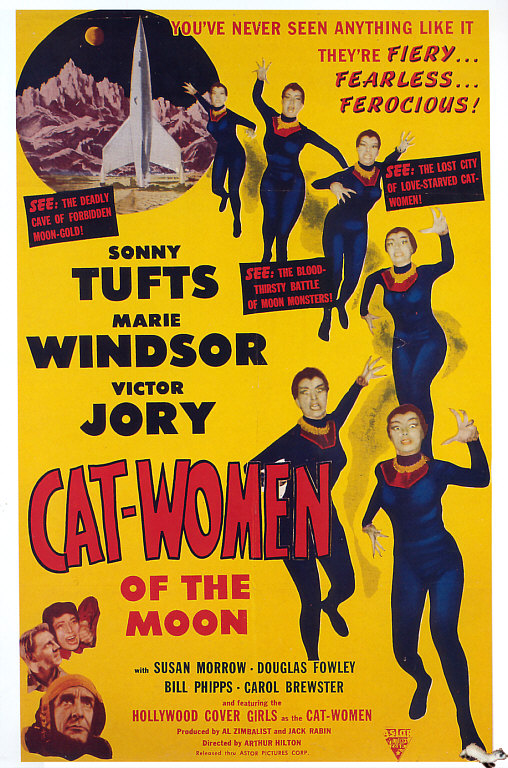

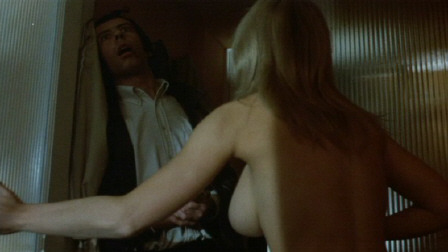

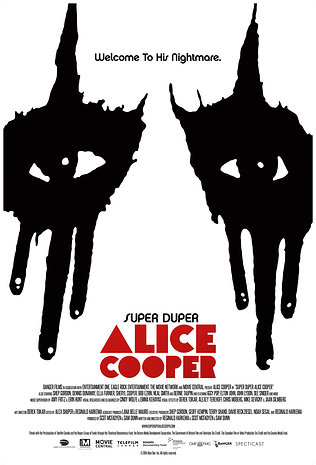

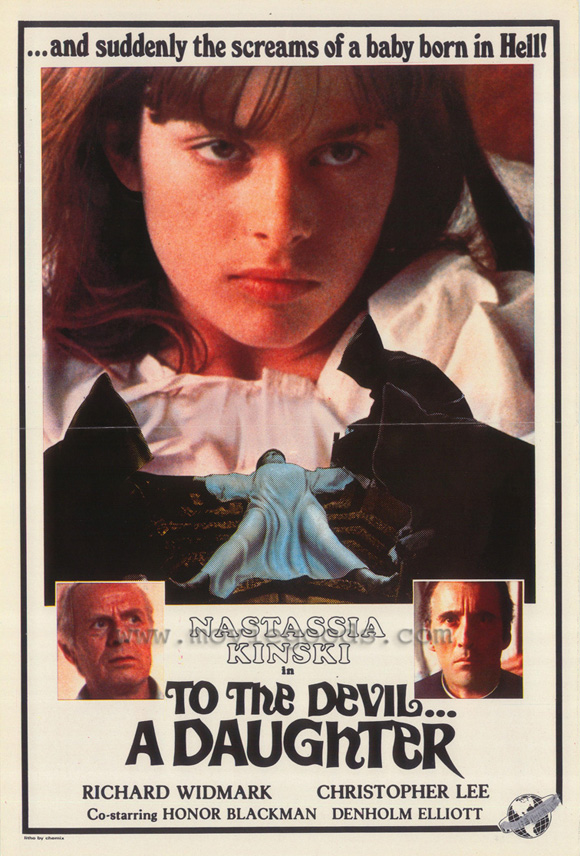
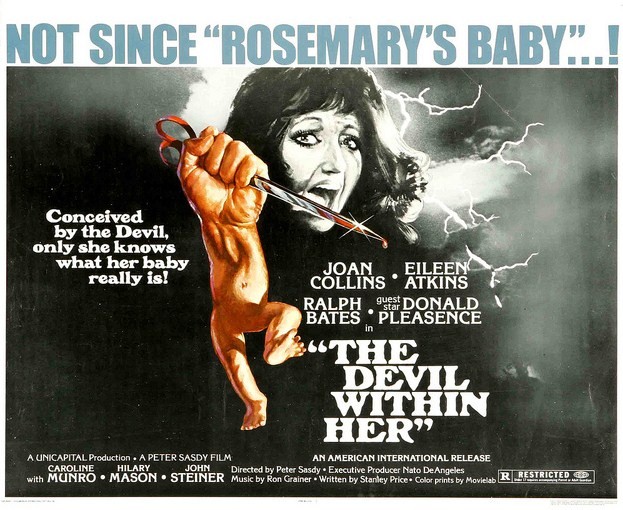

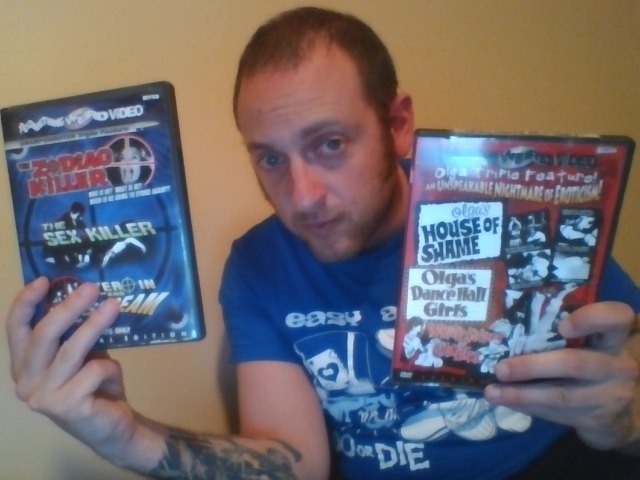
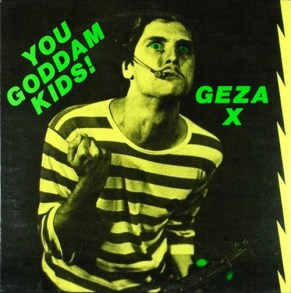

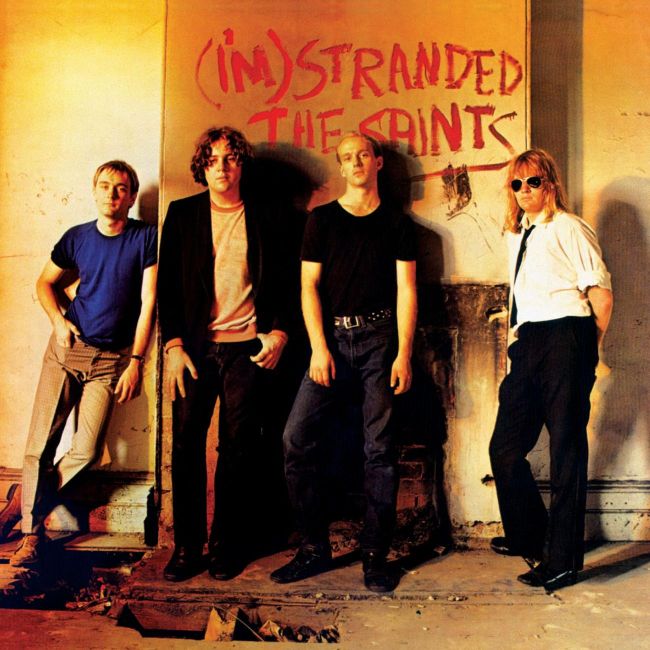

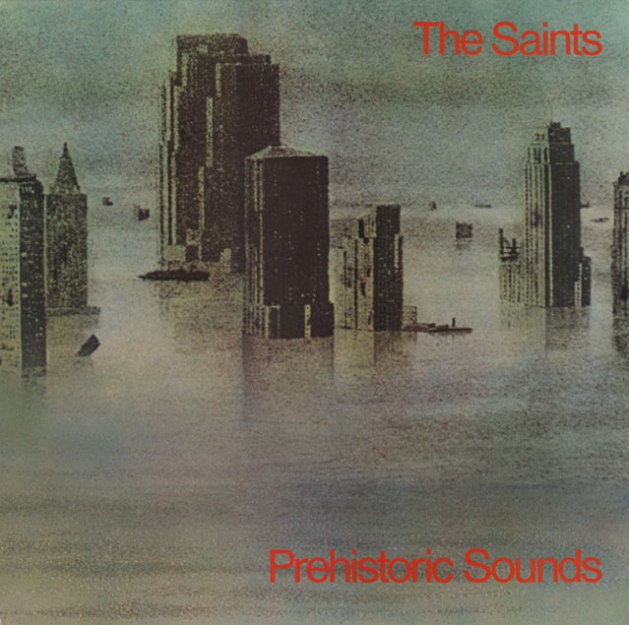


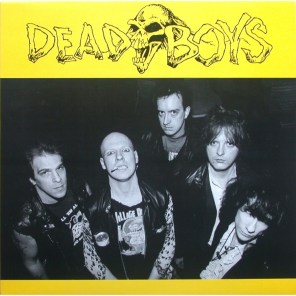


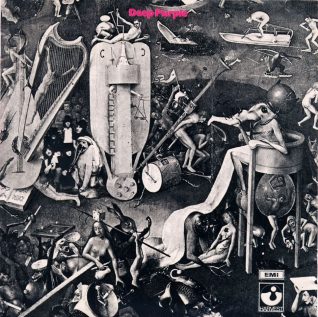

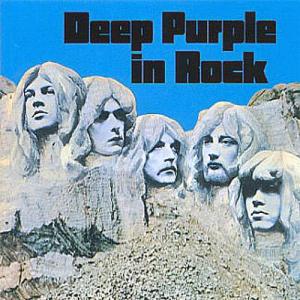
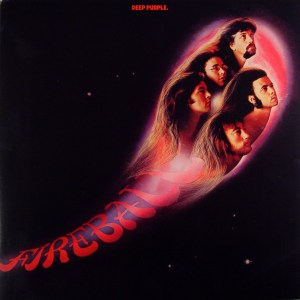


 savagehippie